
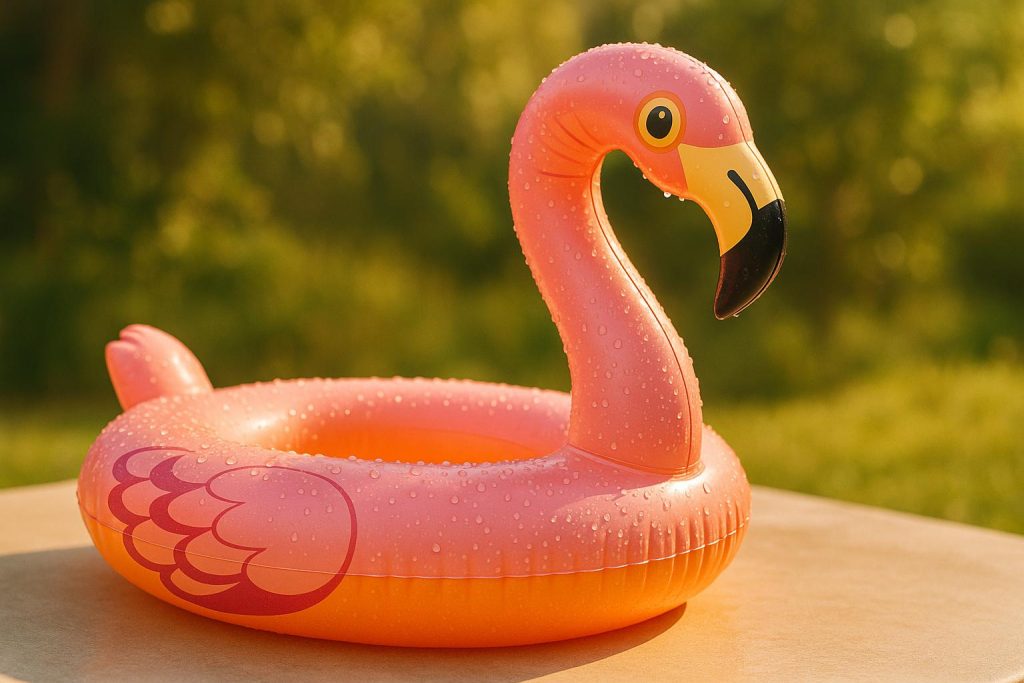
Properly drying inflatables after cleaning is critical to prevent mold, bacteria, and long-term damage. Moisture trapped in seams, folds, or materials like PVC can weaken the structure, cause discoloration, and lead to health risks. Follow these steps to ensure your inflatables are safe, clean, and ready for use:
- Remove excess water: Drain pools or water features, wipe surfaces with towels, and use wet/dry vacuums for tricky spots.
- Set up a drying area: Lay inflatables on clean tarps in a ventilated space with temperatures between 70–85°F.
- Choose a drying method: Use blowers for large items or towels/brushes for seams and velcro areas. Rotate inflatables for even drying.
- Inspect for hidden moisture: Check seams, folds, velcro, and blower tubes thoroughly. Use a checklist to avoid missed spots.
- Prepare for storage: Ensure inflatables are fully dry, store in breathable covers, and use climate-controlled spaces to prevent dampness.
Key takeaway: Proper drying extends the lifespan of inflatables, reduces mold risk by up to 78%, and ensures safe storage. Regular inspections and controlled storage conditions are essential for maintaining their quality.
Step 1: Remove Excess Water After Cleaning
Getting rid of all standing water right after cleaning your inflatable is key to keeping it in good condition. This helps prevent mold growth and avoids damaging the material.
Drain Water Features and Pools
Start by draining any water that has collected in slide liners or water features. Tilt the inflatable to guide the water toward built-in drain points, ensuring every drop is removed. Pay close attention to areas like entryways, exits, and attachment points where water tends to collect.
Once the pooled water is gone, wipe down all surfaces to tackle any leftover moisture.
Wipe Down All Surfaces
Grab some large, absorbent towels and dry every surface thoroughly. Focus on spots like seams, velcro strips, folds, and connection points – these areas can hold up to 70% more water than flat surfaces. For larger inflatables, a wet/dry vacuum can make the process faster, and a soft brush can help remove moisture from vinyl without causing any damage. Don’t forget to dry velcro strips completely to keep them sticky and ensure safety features work as intended.
This step is essential for creating the right conditions for proper drying.
Set Up a Clean Drying Area
Choose a clean, dry spot and lay down tarps or clean groundsheets to protect the inflatable. Make sure the area is well-ventilated, free of sharp objects, and kept at a temperature between 70°F and 85°F with low humidity and good airflow. Check seams, folds, and corners for any damp spots, and use a towel to dry them if needed.
Step 2: Choose the Right Drying Method
Once you’ve removed the excess water, it’s time to pick a drying method that suits your setup. The right approach depends on factors like the size of your equipment, how much time you have, and the surrounding conditions. Mechanical drying works well for larger inflatables, while manual drying is ideal for tackling tricky spots like seams and edges.
Use Blower Units for Quick Results
Set up a blower at the main intake or vent to push air efficiently through the inflatable. Running the blower on high for 2–3 hours can remove up to 85% of surface moisture within the first couple of hours. To ensure even drying, rotate the inflatable every few hours. For larger items like obstacle courses or water slides, you can use additional leaf blowers to focus on areas the main blower might miss.
If you’re drying overnight, switch the blower to a low setting and make sure the area is well ventilated to let moisture escape.
Manual Drying with Towels and Brushes
Grab clean, absorbent towels and a soft brush to tackle moisture in seams, velcro strips, and textured areas. These zones can hold up to 70% more water compared to flat surfaces. Start with one towel to soak up most of the moisture, then use a dry towel for a final pass. Pay extra attention to velcro attachments and blower connections, as they tend to trap hidden dampness.
Ideal Conditions for Drying
Aim for a temperature range of 70–85°F with plenty of airflow. Avoid high humidity and limit direct sunlight exposure, as UV rays can fade and weaken PVC vinyl over time. If you’re drying indoors, use fans or dehumidifiers to keep the air moving and reduce moisture in the room.
Step 3: Check for Hidden Moisture
Once you’ve completed the drying process, it’s time to ensure there’s no lingering moisture. Even with careful drying, water can sneak into tight spaces, leading to issues like mold, material damage, or even health concerns. A thorough inspection is the key to ensuring your inflatable is completely dry and safe for storage.
Focus on Moisture-Prone Areas
Certain parts of inflatables are notorious for trapping water. These areas should be your first stop during the inspection.
- Seams and folds: These are the most common spots where water hides. Run your hand along all seams, paying extra attention to corners where multiple panels meet. These areas often stay damp longer than the rest of the inflatable.
- Velcro strips and attachment points: Small pockets around velcro and attachment areas can easily collect water during cleaning. If moisture weakens these points, it could compromise the inflatable’s safety. Press along the velcro to ensure it’s completely dry.
- Blower tubes and entry points: The curves and connections in blower tubes often trap droplets. Use a flashlight to inspect inside the tubes, and feel around the connections for any dampness. Entry and exit points, with their reinforced seams, also need a close check.
- Pool liners and water features: For water slides or splash zones, areas like pool liners and water cannon attachments are high-risk zones due to constant water exposure. These sections often have multiple layers where moisture can get trapped.
If you detect dampness in any of these areas, treat them again until they’re completely dry. To stay organized, document your inspection results using a checklist.
Use a Checklist to Avoid Missed Spots
A checklist is your best tool for ensuring no area is overlooked. Many professional companies, such as Bouncy Rentals USA, rely on detailed protocols to confirm their equipment is fully dry before storage or delivery .
Include all key areas – seams, folds, velcro strips, blower tubes, entry/exit points, and water features – on your checklist. Inspect each area visually and by touch.
Here’s a suggested sequence for your inspection:
- Start with seams and folds.
- Move on to velcro strips and blower tubes.
- Check entry and exit points.
- Inspect any pool liners or water features.
- Finish with a general hand sweep of the entire surface.
End your checklist with a final confirmation of dryness. This means no visible water droplets, no dampness when touched, and no musty odors .
Tailor your checklist to fit the specific inflatables you own. For instance, a basic bounce house will require fewer checks than a large water slide with multiple features. Adjust your inspection points based on the design of your equipment and the areas most likely to retain moisture.
Step 4: Prepare for Storage
Even if your inflatable has passed the moisture inspection, proper storage preparation is the final step to keep it in top condition. Skipping this step can undo all your cleaning and drying efforts.
Confirm Complete Dryness
Before storing, do one last check to ensure the inflatable is completely dry. Pay extra attention to seams, folds, and creases where moisture can hide. Use a dry towel to wipe these areas thoroughly, then run a blower for 2–3 hours to remove any lingering moisture from tricky spots like Velcro strips and air outlets . Any leftover dampness, even in small amounts, can lead to mold growth. In fact, up to 78% of improperly maintained commercial water slides develop mold due to residual moisture. Once you’re confident everything is dry, move on to storage.
Use Climate-Controlled Storage
The storage environment is just as important as ensuring dryness. Always store inflatables in a clean, dry, and well-ventilated space with temperatures between 70–85°F and low humidity. Avoid areas like basements or garages that are prone to dampness. Opt for breathable storage covers and elevate the equipment on pallets or shelves to keep it safe from moisture and pests .
Many rental businesses, such as Bouncy Rentals USA, rely on climate-controlled storage facilities. These spaces not only protect inflatables from damage but also extend their lifespan. Using organized storage racks can add an extra layer of protection and make the equipment easier to access when needed .
Inspect Stored Equipment Regularly
Proper storage doesn’t end at packing away the inflatable. Regular inspections are key to maintaining its condition. Check stored inflatables every 4–6 weeks for signs of dampness or mildew. If you find any damp areas, remove the inflatable and re-dry it immediately. Keep a log of inspection dates and any actions taken to identify recurring issues . For mildew, gently clean the affected areas using a soft brush and a mild detergent solution, then rinse and dry thoroughly .
A 2023 case study from California highlighted the benefits of these practices. One rental business cut equipment breakdowns by 75% and extended the lifespan of their inflatables by 30% after adopting strict drying and climate-controlled storage protocols. Regular checks like these not only safeguard your investment but also ensure your equipment is ready for safe, reliable use at the next event.
Conclusion: Protect Your Equipment with Proper Drying
Drying isn’t just the last step in cleaning – it’s a crucial part of protecting your equipment and ensuring every event runs smoothly and safely. A thorough drying process helps prevent mold growth that can ruin costly PVC vinyl and create health concerns from bacteria and allergens. Plus, it can dramatically extend the lifespan of your equipment, saving you money on repairs and replacements in the long run.
In fact, professional drying practices can reduce mold outbreaks by as much as 78% in commercial water slides and increase the lifespan of inflatables by 3–5 times. That means fewer repairs, fewer replacements, and more reliable equipment for your business.
Even small amounts of leftover moisture in seams, Velcro, or connections can cause hidden damage over time. Taking the extra steps to remove all excess water, use proper drying techniques, and inspect moisture-prone areas before storage is key to protecting both your equipment and the experience you provide to your customers.
At Bouncy Rentals USA, careful drying and storage practices ensure their equipment stays in top-notch condition. It’s no surprise that customer reviews often mention "super clean" equipment. This dedication not only keeps the gear in great shape but also strengthens trust and loyalty with their clients.
FAQs
Why is it important to dry inflatables thoroughly before storing them?
Properly drying inflatables before storing them is essential to keep them in good shape and extend their lifespan. Stashing them away while still damp can cause mold, mildew, and bad odors, which can weaken the material and make them unsafe to use later.
By ensuring they’re completely dry, you also avoid unnecessary damage, helping your inflatables stay in great condition for future events. Taking this extra step safeguards your investment and ensures they’re always ready to bring the fun when it’s time to use them again!
How can I check for hidden moisture in inflatables after cleaning?
To make sure your inflatable is fully dry and ready to store, carefully check all seams, folds, and creases where moisture might be hiding. Use a dry cloth or paper towel to gently press these areas and see if they’re still damp. Focus on corners and interior sections, as these spots tend to trap water. If you find any moisture, let the inflatable air dry longer or use a fan to help it dry faster. Taking the time to dry it properly prevents mold and mildew, ensuring your inflatable stays in great shape for future use.
What are the benefits of using climate-controlled storage for inflatables?
Keeping inflatables in a climate-controlled space is a smart way to shield them from damage caused by extreme heat, freezing cold, or excessive moisture. These spaces create the ideal conditions to prevent problems like mold, mildew, and the gradual breakdown of materials – issues that are common in unpredictable or damp environments.
A consistent, stable environment ensures your inflatables remain in top shape for longer periods, which can save you money by reducing the need for frequent repairs or replacements. This is especially helpful if you rely on inflatables for events or rentals, as it keeps them looking and performing their best every time they’re used.
