

Keeping inflatables safe at your event is easier than you think. Proper setup, supervision, and post-event care can save you from costly repairs, ensure guest safety, and keep the fun going without interruptions. Here’s what you need to know:
- Prepare the site: Use tarps or mats under inflatables to protect against punctures.
- Anchor securely: Grass requires stakes; hard surfaces need sandbags or water barrels.
- Monitor inflation: Avoid under- or over-inflating to prevent damage.
- Supervise guests: Assign an adult to manage usage and enforce safety rules.
- Inspect and store properly: Clean, dry, and check for damage before storing in a cool, dry place.
Planning ahead and staying vigilant during your event ensures a smooth experience for everyone involved.
Setting Up Your Event Site
Place tarps or mats under your inflatable to protect it from rough surfaces. These layers act as a shield, helping to prevent punctures, tears, and abrasions that can occur from direct contact with the ground. This simple step sets the stage for the secure anchoring techniques we’ll cover next.
Proper Setup and Anchoring Methods
After setting up the protective ground layers, the next crucial step is ensuring the bounce house is properly inflated and securely anchored. These steps are key to preventing damage and ensuring a safe experience during events.
Get the Inflation Level Right
Maintaining the correct inflation level is essential for keeping your bounce house in good condition. Under-inflation can create weak points that might tear, while over-inflation puts excessive pressure on the seams, increasing the risk of blowouts.
Always use the blower size recommended by the manufacturer and follow their instructions carefully. Most residential bounce houses require continuous airflow, meaning the blower needs to stay on throughout the event. Make sure all vents are unobstructed and that the bounce house maintains a firm, even shape.
Keep an eye on inflation levels as the event progresses, especially if the temperature changes. Warm weather can cause the air inside to expand, while cooler temperatures may require slight adjustments to maintain the right firmness. Once the inflation is set, ensure the bounce house is securely anchored to prevent movement during use.
Anchor Inflatables Securely
Properly anchoring your bounce house is just as important as inflation. The method you use will depend on the surface where it’s set up:
- For grass surfaces, use 18-24 inch aluminum or steel stakes. Drive them deep into the ground with a hammer or mallet, and attach heavy ropes from the stakes to the inflatable’s D-rings or anchor points. Larger inflatables typically require three or more stakes arranged evenly around the unit for balanced support.
- For concrete, pavement, or asphalt, opt for weight-based anchors like heavy-duty vinyl sandbags. Fill them with gravel instead of sand to minimize mess in case a bag breaks. Use two or three sandbags for each corner, depending on the inflatable’s size.
- For hard surfaces, water barrels are another effective option. PVC barrels that hold at least 60 liters of water (creating over 130 pounds of weight) work well. Place at least one water barrel along each side of the inflatable for stability.
| Surface Type | Best Anchoring Method | Weight/Depth Requirements |
|---|---|---|
| Grass | Ground stakes | 18-24 inch depth, 3+ stakes |
| Concrete/Asphalt | Sandbags | 2-3 bags per corner |
| Hard surfaces | Water barrels | 60+ liters per barrel, 1 per side |
If there are sturdy objects nearby, such as trees or fence posts, you can tie the bounce house’s D-rings to them using heavy ropes or straps. However, avoid anchoring to vehicles or using sharp objects that could damage the inflatable.
Check All Anchoring Equipment
Before use, inspect all anchoring components, including ropes, stakes, straps, and D-rings, for any signs of wear or damage. Even minor defects can compromise the anchor’s strength, especially in windy conditions or during heavy use.
Make sure sandbags and water barrels are fully filled. Partially filled anchors won’t provide enough stability and can pose safety risks. Replace any worn or questionable equipment immediately – it’s a small investment compared to the potential damage or injury caused by an unsecured bounce house.
Finally, follow the manufacturer’s installation instructions closely. Pay attention to rope tension and stake angles to ensure the inflatable is secure without stressing the material. Proper setup and anchoring will keep the bounce house safe and ready for hours of fun.
Managing Guests During the Event
Keeping guests safe and ensuring your equipment stays in good condition requires careful supervision. While proper setup and anchoring are vital, actively managing guest behavior during the event is just as important. It’s worth noting that many bounce house-related injuries that lead to emergency room visits happen because of poor setup or lack of supervision.
Assign an Adult Supervisor
Once the inflatable is set up, the next step is ensuring it’s used responsibly. Assign a responsible adult to supervise the bounce house at all times. This person should stay at the entrance, facing inward, so they can keep an eye on all activity and act quickly if needed. The ideal supervisor is someone attentive, ready to enforce safety rules, manage capacity limits, and respond to emergencies.
Separate Users by Age and Size
To minimize the chances of accidents and reduce wear on the equipment, group users by age and size. Supervisors should also keep an eye on the number of participants to ensure the inflatable isn’t overloaded beyond the manufacturer’s recommendations. These precautions are a key part of maintaining a safe environment.
Watch Weather Changes
Weather can change quickly, and keeping an eye on conditions is essential for safety. Just as anchoring keeps the inflatable secure, monitoring the weather helps you stay ahead of potential risks. If you notice the inflatable shifting or if strong winds or rain start to develop, clear the bounce house immediately to avoid injuries or damage.
After the Event: Inspection and Storage
Once your guests have left, taking care of your inflatable is key to keeping it in great shape for future events. A little attention right after the event can go a long way in extending its lifespan and catching any issues before they become bigger problems. Here’s how to handle post-event care effectively.
Check for Damage
Begin your inspection while the inflatable is still inflated and in a well-lit area. Carefully examine the entire structure for any signs of damage, such as punctures, tears, or worn-out spots. Pay special attention to high-traffic areas like entrances, corners, and the base, as these spots endure the most use.
The bottom of the inflatable often takes the most stress, so check it thoroughly for small holes, thin spots, or worn fabric. Even the tiniest puncture can turn into a larger problem if ignored. Don’t forget to inspect all seams and stitching for loose threads or separation, as these are common weak points.
Also, take a close look at the blower attachment area and any safety features like netting or barriers. These components can wear down over time from constant air pressure and guest interaction. If you find any damage, mark the spots with removable tape so you can address them before your next event.
Clean and Dry Completely
Before deflating, clear the inflatable of any debris like leaves, dirt, or food. Use a mild soap solution mixed with warm water to clean the surface, focusing on areas that had the most contact with guests. Avoid harsh chemicals or bleach-based cleaners, as they can weaken the material.
For stubborn stains or sticky spots, use a soft-bristled brush to gently work in the cleaner without damaging the fabric. Rinse thoroughly with clean water to remove any leftover soap, as residue can attract dirt and speed up wear and tear.
Drying the inflatable completely is a must. Even a small amount of trapped moisture can lead to mold, mildew, or material rot. Whenever possible, let it air-dry in direct sunlight for a few hours. If the weather isn’t cooperative, use fans or allow extra drying time indoors before folding.
Store Correctly
Once the inflatable is completely dry, proper storage will help protect it from damage. Choose a cool, dry, and sun-protected area for storage. Extreme heat or cold can make the material brittle or sticky, so consider spaces like climate-controlled garages, basements, or dedicated storage rooms.
When folding, avoid creating sharp creases that can stress the material. Instead, use loose, rolling folds, and try to change the fold lines occasionally to prevent permanent creasing in the same spots.
Keep the inflatable off concrete floors by placing it on pallets, shelving, or thick plastic sheeting. Concrete can transfer moisture and cause abrasion over time. Store it away from sharp objects, chemicals, or areas where rodents might be a concern.
Lastly, label your storage containers or bags with the date of the last cleaning and any notes about repairs. This small step keeps you organized and ensures everything is ready for the next event without surprises.
Why Choose Bouncy Rentals USA
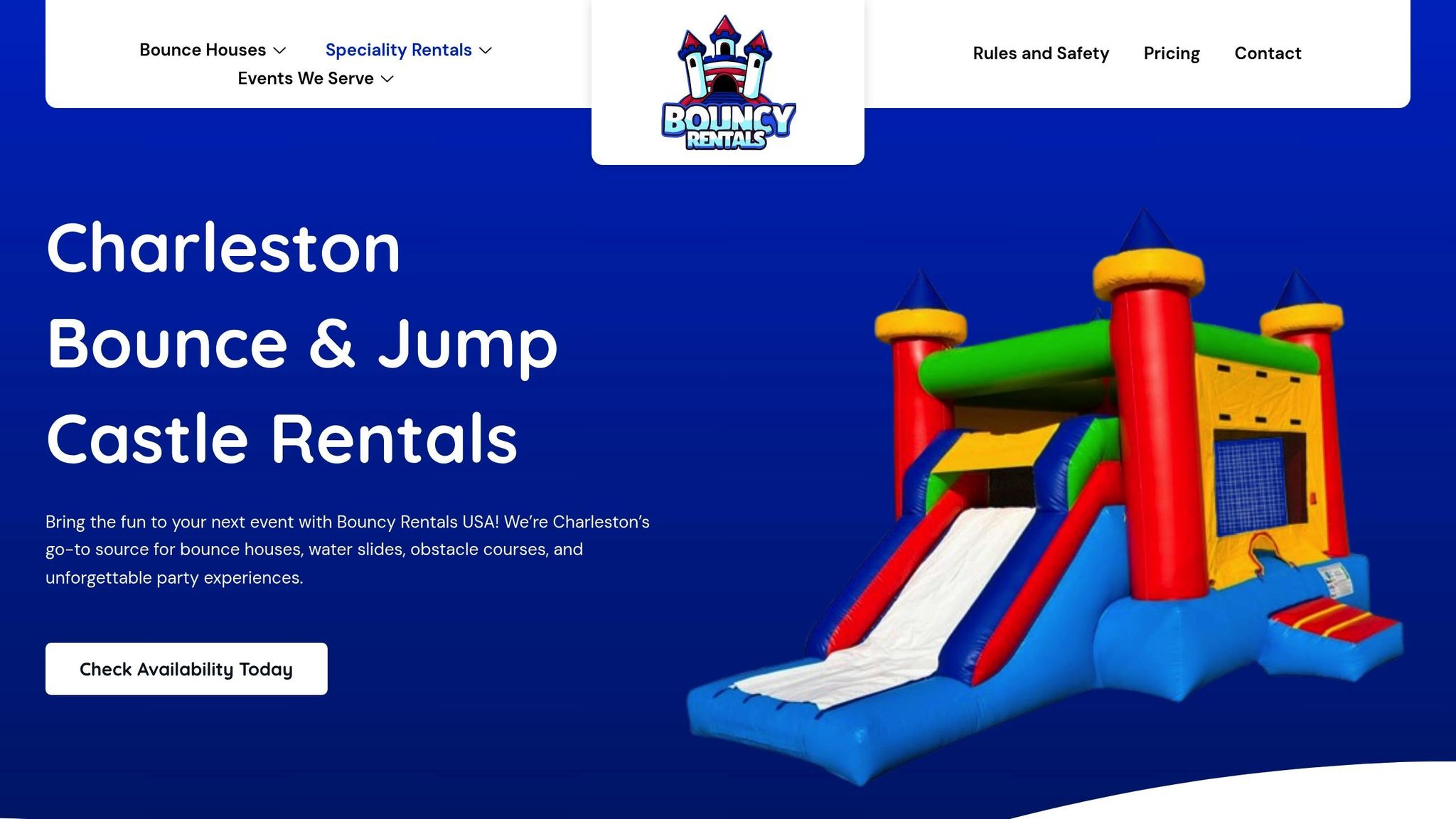
When it comes to planning an event, the last thing you want is to worry about inflatable damage or equipment issues. That’s where Bouncy Rentals USA steps in, offering not just inflatables but a complete, stress-free experience. From expert setup to full insurance coverage, they’ve got everything covered to ensure your event runs smoothly.
Clean and Insured Equipment
Every inflatable from Bouncy Rentals USA arrives meticulously cleaned and fully insured, giving you peace of mind and protecting your guests. Their professional sanitization process ensures the equipment is safe and hygienic, which is especially important for events involving children. Plus, this attention to cleanliness helps extend the life of the inflatables, reducing the risk of wear and tear during your event.
Insurance coverage is another major perk. Whether it’s an unexpected gust of wind or normal wear from excited partygoers, their insurance means you’re not stuck dealing with repair costs. Instead, you can focus on enjoying the celebration without worrying about accidents.
Professional Setup Service
Bouncy Rentals USA takes care of the entire setup process, ensuring everything is done correctly from start to finish. Their team handles the anchoring, inflation, and positioning of the inflatables with precision. This professional approach eliminates common setup mistakes, like weak anchoring or over-inflation, which can lead to damage or safety issues.
The team comes fully equipped with stakes, sandbags, and blowers, so you don’t have to worry about sourcing any additional tools. They’ll also make sure the inflatable is placed in a safe spot, away from potential hazards, giving you one less thing to think about on the big day.
Complete Party Rental Selection
Bouncy Rentals USA isn’t just about inflatables – they offer a full range of party rentals to take your event to the next level. From bounce houses to party add-ons, they provide everything you need to create a memorable experience. By working with a single, trusted provider, you simplify your planning process and ensure consistent quality across all rentals.
Whether you’re hosting a kid’s birthday party, school fair, neighborhood event, or even an adult backyard gathering, they’ve got options to fit your needs. Every piece of equipment is maintained to the same high standards, from the moment it’s cleaned to when it’s picked up after the event.
With their wide selection and dedication to quality, Bouncy Rentals USA makes it easy to elevate your event while keeping everything safe and seamless.
Key Points for Preventing Inflatable Damage
Taking the right precautions can keep your inflatable in top shape throughout any event. The main areas to focus on are site preparation, proper setup and anchoring, active guest supervision, and post-event care.
Site preparation means clearing the area of any hazards and using ground protection. Pick a flat, open space away from trees and power lines to avoid punctures or structural damage.
Proper setup and anchoring is all about maintaining the right pressure, securing the inflatable, and checking the equipment. Over-inflating can strain the seams, while under-inflating creates unsafe conditions. Use stakes or sandbags to keep the inflatable stable and prevent unnecessary wear and tear.
Active guest supervision plays a huge role in safety. As one expert explains, "Many accidents occur due to overloading, rough play, or ignoring safety instructions". Assign a responsible adult to monitor the inflatable, enforce capacity limits, and separate users by age and size. Rotating groups every 5 minutes not only ensures fairness but also gives the inflatable short breaks, which helps reduce material stress.
Post-event care includes inspecting the inflatable for damage, cleaning and drying it thoroughly, and storing it in a cool, dry place. Even small issues can escalate if not addressed promptly.
By partnering with Bouncy Rentals USA, you can leave these tasks to the professionals. Their team handles everything from setup to takedown, provides fully insured equipment, and ensures all safety standards are met. This lets you focus on enjoying your event while knowing the inflatable is in expert hands.
These steps are a reliable way to ensure your inflatable stays safe and lasts for many events to come.
FAQs
How can I clean and store inflatables after a party to keep them in great condition?
To keep your inflatables in great condition, start by giving them a good cleaning after every use. Mix a mild soap with water to wipe away dirt and debris, and don’t forget to disinfect all surfaces to keep them safe for the next event. After cleaning, make sure they’re completely dry to avoid any mold or mildew issues before putting them away.
When it’s time to store them, choose a cool, dry, and well-ventilated area. Use protective bags or covers to keep dust and potential damage at bay. Be mindful not to fold or stack them in ways that could stress the seams or cause unnecessary wear. By sticking to these steps – cleaning, drying, and careful storage – you’ll help your inflatables stay in great shape for event after event!
What are the best ways to supervise kids in a bounce house to keep them safe?
To keep kids safe in a bounce house, constant adult supervision is a must. Always monitor the activity closely, limit the number of children inside, and group them by similar size to reduce the risk of injuries. Set clear safety rules, such as no rough play, no shoes, and no sharp objects allowed.
Supervisors should remain attentive – put the phone away – and watch for unsafe behavior or any signs of damage to the bounce house. If something seems off, step in right away to address it. Staying alert ensures everyone can enjoy the fun safely.
What’s the best way to secure inflatables on different surfaces?
When securing inflatables, the type of surface matters. For soft ground like grass, stakes work well to keep everything in place. On harder surfaces such as concrete or asphalt, opt for weighted anchors like sandbags or water barrels. Always stick to the manufacturer’s instructions to ensure stability and safety. It’s also crucial to choose an anchoring method that suits the size and weight of the inflatable to avoid any mishaps.
