When organizing events, safety is paramount. Two key roles ensure smooth operations: crowd managers and bounce house supervisors. While both focus on safety, their responsibilities differ significantly.
- Crowd Managers: Oversee overall event safety, manage crowds, prevent overcrowding, and handle emergencies like evacuations.
- Bounce House Supervisors: Focus on inflatable safety, monitor equipment, enforce rules, and supervise age-appropriate play.
Both roles require specialized training and clear communication. Crowd managers handle venue-wide safety, while bounce house supervisors ensure inflatables are used safely. Together, they create a safer, more enjoyable event experience.
Crowd Management Responsibilities
Crowd managers play a crucial role in ensuring the safety and order of events, acting as indispensable members of the event safety team.
Main Duties of Crowd Managers
One of their primary responsibilities is maintaining order while responding effectively to emergencies. This often involves working closely with local authorities. When emergency responders arrive, crowd managers relay critical information such as the cause of the incident, its current status, any injuries, and relevant facility details.
Another key duty is implementing emergency procedures. Crowd managers are responsible for informing attendees about emergency exits, explaining fire safety protocols, and directing them to on-site managers when necessary. They are also trained to organize evacuations, utilizing tools like PA systems and enhanced lighting to guide crowds safely and efficiently.
Pre-event inspections are another important task. These inspections help identify potential hazards, such as choke points or areas prone to overcrowding, ensuring proactive measures can be taken.
Required Skills and Training
The responsibilities of crowd managers demand a specific mix of skills and thorough training. Clear communication is critical, particularly in high-pressure situations, as it ensures instructions are understood and followed. Situational awareness and the ability to assess risks are equally vital, enabling managers to detect and address potential problems before they escalate.
Understanding crowd behavior is another essential skill. Managers must differentiate between normal crowd energy and signs of potential unrest. Training programs focus on these aspects, covering techniques for crowd control, de-escalation, conflict resolution, emergency preparedness, first aid, and evacuation strategies. Many programs include hands-on simulations, allowing managers to practice their skills in realistic, controlled environments.
A significant part of their training also involves distinguishing between planned event activities and real emergencies. Familiarity with the event schedule helps managers avoid unnecessary panic and ensures that genuine emergencies are addressed promptly and appropriately.
Bounce House Supervision Duties
Bounce house supervisors play a key role in creating a safe and fun environment for everyone enjoying inflatable play areas. Their job demands constant attention and proactive measures to ensure safety and smooth operation.
Keeping Guests Safe
Supervisors are responsible for making sure all participants stay safe. This means keeping a close eye on entry and exit points, enforcing age and weight limits, and ensuring the bounce house is properly inflated. Signs of under-inflation – like sagging surfaces or weak blower performance – are quickly addressed to maintain a safe setup.
They also enforce rules like no shoes, sharp objects, food, or drinks inside the bounce house. To prevent overcrowding and collisions, supervisors group children by size and perform regular head counts. Clear communication is a must – both before and during play – to remind participants of the safety rules. If an incident occurs, they act immediately to manage the situation and prevent further issues. Studies suggest that following these safety measures can reduce common injuries by up to 95%. This hands-on approach ensures the play area stays secure and enjoyable for everyone.
Equipment Inspection and Maintenance
Before the fun begins, supervisors conduct a detailed inspection of the bounce house. They check for tears, holes, or loose seams that could pose a safety risk. Anchor points are a priority – stakes and anchors must be secure, especially in windy conditions.
The inflation system also gets a thorough check, along with key safety features like entrance netting, padded areas, and emergency deflation zones. Supervisors make sure the bounce house is set up on a level surface, away from overhead hazards, to minimize risks.
Managing Different Age Groups
Supervising a bounce house means adapting to the needs of different age groups. For younger kids (ages 3–6), constant visual monitoring and occasional hands-on guidance are necessary to help them play safely. School-age children (ages 7–12) are more independent but might engage in rough play, so supervisors focus on keeping their energy in check and preventing overly aggressive behavior.
When teenagers or mixed-age groups are involved, extra care is needed to manage size differences and avoid accidental injuries. Time-sharing or designating specific areas for different age groups can be effective strategies to keep everyone safe and happy.
Crowd Management vs. Bounce House Supervision
Both crowd managers and bounce house supervisors play crucial roles in event safety, but their responsibilities differ significantly. Understanding these distinctions helps event organizers assign the right personnel to the appropriate tasks, ensuring a safe and successful event.
Skills and Training Requirements
Crowd managers are extensively trained in emergency preparedness, legal compliance, and crowd psychology. Their expertise includes following NFPA 101 and OSHA guidelines. They specialize in venue assessment, evacuation planning, and crowd monitoring. Many are also skilled in using communication systems like CCTV and public announcement tools.
Bounce house supervisors, on the other hand, focus on inflatable safety. Their training covers first aid, equipment inspection, anchoring techniques, weather monitoring, and supervising age-appropriate activities. While their responsibilities are narrower in scope, they are highly specialized, concentrating on the safety of inflatable equipment and its users.
These differences highlight why assigning the right expert to the correct role is vital for both safety and the smooth operation of events. The table below offers a clear comparison of these roles.
Side-by-Side Comparison
| Aspect | Crowd Manager | Bounce House Supervisor |
|---|---|---|
| Focus | Overall event safety and flow across the venue | Safety and supervision of inflatable equipment |
| Duties | Venue assessment, emergency planning, staff training, crowd monitoring, barrier placement | Equipment inspection, setup oversight, rule enforcement, weather monitoring, user supervision |
| Training Requirements | NFPA 101, OSHA compliance, crowd psychology, emergency evacuation | Inflatable safety operations, first aid, equipment-specific emergency protocols |
| Emergency Response | Venue-wide evacuation, incident management, regulatory compliance | Immediate deflation protocols, weather-related closures, user injury response |
| Monitoring Tools | CCTV systems, public announcement systems | Visual supervision, weather monitoring |
| Age Group Focus | All attendees across diverse activities and areas | Specific age-appropriate groups using bounce houses |
Shared Duties and Key Differences
While their responsibilities differ, both roles share a common goal: ensuring safety. Both rely on effective communication, whether that’s through venue-wide announcements or direct guidance to bounce house users.
The key difference lies in their scope. Crowd managers oversee the entire venue, focusing on layouts, entry and exit points, emergency routes, and managing overall crowd dynamics. They prevent congestion by strategically placing barriers and creating designated pathways.
Bounce house supervisors, by contrast, concentrate on inflatable safety. They ensure proper anchoring, enforce capacity limits, and prohibit unsafe items like loose buckles or sharp objects. They also monitor environmental factors such as wind or heat [3]. Their role is hands-on, addressing unsafe behavior or conditions in real time.
In emergencies, crowd managers coordinate large-scale evacuations, while bounce house supervisors handle equipment-specific issues, such as rapid deflation or immediate user injuries [3].
The balance between preparation and real-time action also varies. Crowd managers focus heavily on proactive planning and prevention, while bounce house supervisors combine preparation with constant monitoring of user behavior and environmental changes [3].
Safety Protocols and Best Practices
When it comes to ensuring the safety of event attendees, effective protocols blend crowd management and inflatable supervision seamlessly. These measures not only protect participants but also help events run smoothly.
Industry Standards for Crowd Management
Industry standards serve as the backbone of safe event operations, often guided by well-established safety codes like the NFPA 101 Life Safety Code. These guidelines stress the need for clear pathways, planned occupancy limits, and thorough hazard assessments. Event organizers are tasked with mapping out emergency exits, training staff, and documenting procedures to address any potential risks.
Strong communication is a cornerstone of effective crowd management. Tools like two-way radios and PA systems allow crowd managers to stay in constant contact with security teams, medical personnel, and facility staff. Additionally, strategically placed barriers – anchored securely according to manufacturer instructions – help control the flow of people and prevent overcrowding in busy areas.
Best Practices for Bounce House Supervision
Supervising inflatable attractions like bounce houses requires meticulous attention to detail. Before an event begins, supervisors inspect every piece of equipment, including seams, anchor points, and blower systems, to ensure everything is in proper working order. Anchoring methods – whether stakes, weighted systems, or other approved solutions – must align with the manufacturer’s guidelines to keep the inflatables stable during use.
Weather conditions play a significant role in inflatable safety. Supervisors should monitor forecasts for high winds, extreme heat, or lightning and be ready to close or deflate the inflatables if conditions become unsafe. Capacity limits should always be enforced, and separating participants by age group or scheduling time slots can help minimize the risk of injuries. Rules banning sharp objects, shoes, or other potentially harmful items must also be strictly enforced to protect both participants and equipment.
Training and Communication Requirements
To implement these safety protocols effectively, comprehensive training and clear communication are essential. Crowd managers receive training in emergency procedures, crowd dynamics, and legal requirements, while bounce house supervisors focus on equipment safety, first aid, and monitoring techniques. Regular refresher courses ensure that teams stay up-to-date on the latest safety practices.
During events, having clear communication protocols is critical. Standardized emergency codes and proper radio usage help teams respond quickly to medical issues, equipment malfunctions, or sudden weather changes. Keeping detailed safety logs, incident reports, and inspection records adds another layer of accountability and allows for continuous safety improvements.
Coordination between crowd management teams and inflatable supervisors is vital. Regular briefings keep everyone informed about attendance numbers, weather updates, and any emerging safety concerns. This collaboration ensures a secure and enjoyable event for everyone involved.
Companies like Bouncy Rentals USA exemplify these practices by incorporating rigorous staff training, thorough equipment inspections, and strong communication into their operations. Their approach ensures that events are not only entertaining but also prioritize the well-being of all participants.
Balancing Safety and Fun
Creating successful events means striking the right balance between strict safety measures and guest enjoyment. Both crowd management and bounce house supervision play essential roles in achieving this balance, though they focus on different aspects of event safety. Together, they create a cohesive safety strategy that ensures everyone has a good time while staying secure.
Key Takeaways
As discussed, crowd management and bounce house supervision provide distinct yet complementary layers of safety. Crowd managers oversee large groups across the entire venue, while bounce house supervisors concentrate on maintaining order in specific inflatable play areas.
Despite their different scopes, both roles share key responsibilities: preventing accidents, monitoring behavior, and responding quickly to emergencies. By combining vigilant oversight with a friendly and approachable demeanor, supervisors can maintain safety without overshadowing the fun atmosphere of the event.
The importance of these roles becomes especially clear during unexpected situations like sudden weather changes. For instance, in the event of a storm, crowd managers can coordinate overall evacuation plans, while bounce house supervisors ensure that children and guests leave the inflatables safely. This seamless teamwork helps avoid panic and reduces the risk of injuries, showcasing why both roles are critical to an event’s success.
How Bouncy Rentals USA Ensures Safety
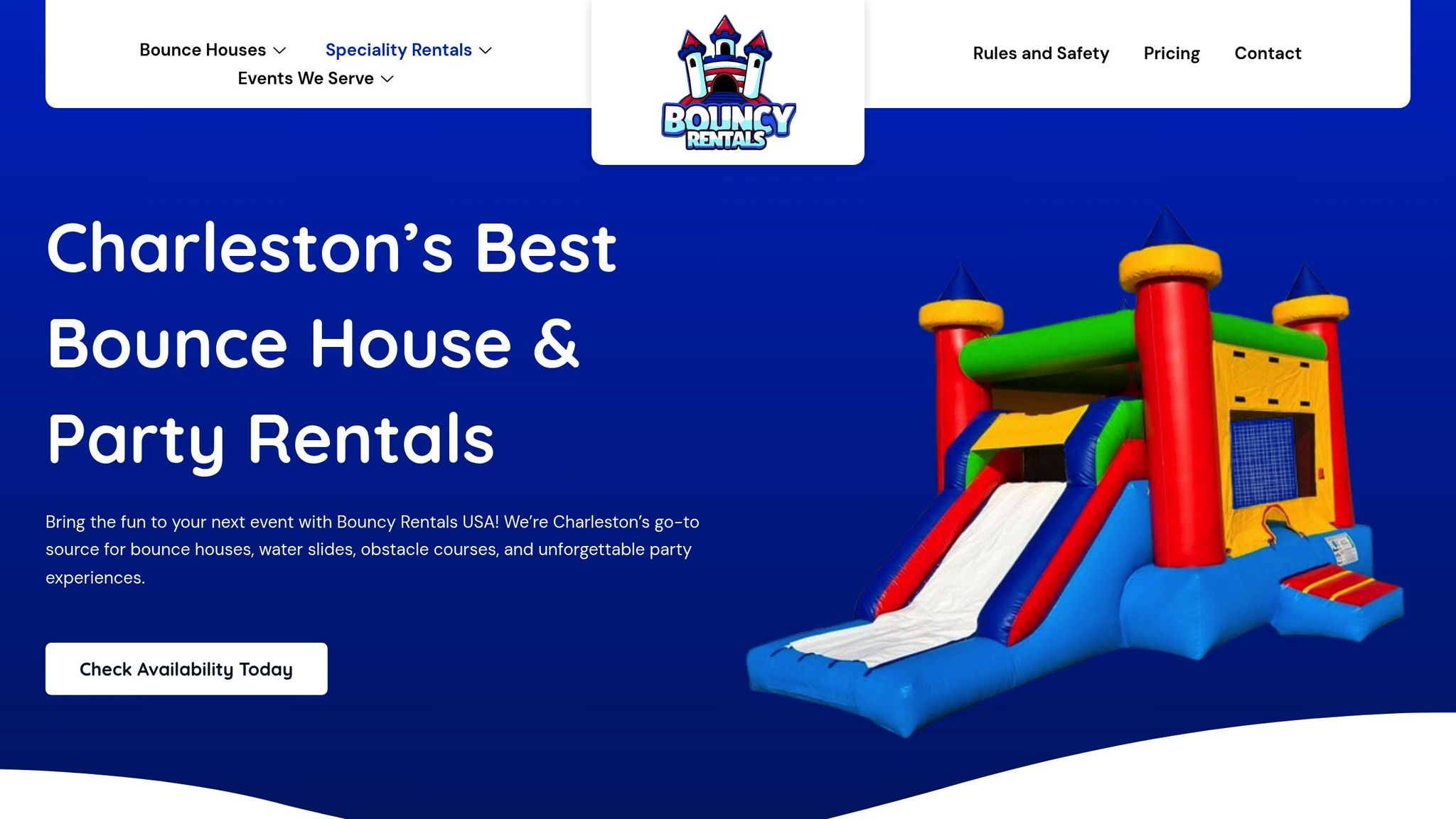
Bouncy Rentals USA embodies these safety principles in every aspect of their operations, ensuring that fun and security go hand in hand. Their approach combines rigorous safety protocols with a focus on creating enjoyable experiences for all guests.
The staff at Bouncy Rentals USA undergo extensive training that covers both technical safety procedures and customer service. This dual focus equips supervisors to enforce safety rules and capacity limits while maintaining a friendly and welcoming environment. Their training emphasizes active monitoring, clear communication of rules, and gentle intervention when needed, ensuring that participants feel safe and cared for without dampening the fun.
Equipment safety is another cornerstone of their commitment. Every bounce house is thoroughly inspected before delivery, with close attention to seams, anchor points, and blower systems. Beyond meeting standard safety requirements, Bouncy Rentals USA also ensures regular sanitization and keeps detailed inspection records to maintain high standards and improve continuously.
Their proactive approach to safety emphasizes prevention over reaction. By providing clear instructions upfront, keeping group sizes manageable, and creating an atmosphere where safety feels natural rather than restrictive, Bouncy Rentals USA ensures that both security and enjoyment are seamlessly integrated. Whether managing large crowds or supervising a single inflatable, their efforts result in events that are as safe as they are memorable.
FAQs
What is the difference between the training for crowd managers and bounce house supervisors?
The training for crowd managers is all about handling large gatherings and keeping everyone safe during events. This includes mastering crowd control strategies, understanding emergency response protocols, and adhering to safety regulations like NFPA 101.
In contrast, bounce house supervisors receive specialized training focused on inflatable safety. Their responsibilities include ensuring proper setup, securely anchoring the equipment, following electrical safety guidelines, and actively supervising the inflatables to maintain a safe and enjoyable environment for users.
Although both roles share a commitment to safety, their focus areas differ. Crowd managers tackle the challenges of overseeing large-scale events, while bounce house supervisors concentrate on the safe use and operation of inflatable structures.
How do crowd managers and bounce house supervisors work together to handle emergencies and keep everyone safe at events?
In emergencies, crowd managers and bounce house supervisors work hand in hand to prioritize the safety of everyone attending. Their success hinges on clear communication and sticking to pre-planned emergency procedures to act swiftly and efficiently.
Crowd managers take charge of the broader event space, handling evacuations and resolving any issues related to large groups of people. Meanwhile, bounce house supervisors focus on the inflatable equipment, ensuring it remains safe and keeping a close eye on the children using it. By sharing real-time updates and coordinating their efforts, they implement safety measures that help maintain order and protect all attendees during the event.
What safety measures should event organizers take to manage crowds and supervise bounce houses effectively?
To keep everyone safe, event organizers should have at least one trained supervisor for each bounce house. This person is responsible for enforcing rules, keeping an eye on activities, and making sure the space doesn’t get overcrowded. It’s also crucial to set clear limits on how many kids can be inside at once, anchor the bounce houses securely, and place them on flat, stable ground, well away from strong winds.
Good planning makes all the difference. Before the event, organizers should develop crowd management strategies, outline emergency procedures, and ensure there’s constant supervision during the event. These precautions help create a fun and safe experience for everyone.