Safety records are the backbone of a trustworthy inflatable rental business. They ensure equipment is safe, meet legal requirements, and build customer confidence. Without proper documentation, businesses risk accidents, lawsuits, and losing insurance coverage. Here’s why safety records are critical:
- Prevent Accidents: Regular inspections catch issues like worn seams or faulty anchors.
- Legal Compliance: Many states require detailed safety records to operate legally.
- Customer Trust: Parents and event planners increasingly demand proof of safety measures.
- Insurance Protection: Insurers require up-to-date records for claims and coverage.
From setup checklists to staff training logs, maintaining thorough safety documentation is non-negotiable. It’s not just about compliance – it’s about creating safe, worry-free events for everyone involved.
Problems with Poor Safety Documentation
When inflatable rental businesses fail to maintain proper safety documentation, they put both their customers and their operations at risk. Skipping out on accurate record-keeping can lead to unnoticed issues like equipment wear or improper setup, which can snowball into serious problems. Let’s break down how poor documentation creates these challenges.
Higher Risk of Accidents and Legal Trouble
Without proper records, equipment problems can easily slip through the cracks, increasing the chances of injuries. Missing documentation often means issues like worn seams, broken blowers, or damaged anchors go unnoticed, putting users in harm’s way and exposing the business to lawsuits.
The legal fallout can be devastating. For instance, in 2021, a rental company in California faced a negligence ruling because they lacked setup checklists and maintenance logs to prove safety measures were followed. When courts and insurers evaluate liability claims, they depend on evidence of routine safety practices. Without inspection logs, maintenance records, or incident reports, businesses open themselves up to higher liability risks, increased insurance premiums, and costly settlements. Beyond the risk of accidents, poor documentation can also lead to non-compliance with legal standards.
Falling Short on Safety Regulations
Neglecting safety documentation doesn’t just increase risks – it also makes it nearly impossible to comply with regulatory requirements. Many states and municipalities require inflatable rental businesses to keep specific safety records, such as inspection reports and staff training certifications, to operate legally. If these records aren’t available during inspections, businesses could face fines, lose permits, or even be forced to shut down.
The ASTM F2374-22 standard lays out clear guidelines for inflatable amusement device safety, including detailed inspection processes, maintenance schedules, and operator training requirements. Ignoring these standards not only invites regulatory penalties but also erodes trust with insurers and cautious customers. When safety records are missing, it undermines the business’s credibility and reliability.
Damaged Reputation and Loss of Customer Trust
A lack of safety documentation can seriously harm a business’s reputation. Customers today expect rental companies to be transparent and professional. If a company can’t provide evidence of safety measures – like inspection checklists, maintenance logs, or proof of insurance – potential clients may think twice before booking inflatables. Negative reviews can compound the damage, making it even harder to regain trust once it’s lost.
On the flip side, businesses that keep thorough records often see a boost in customer confidence. For example, SIOTO-certified companies have reported more bookings and stronger trust by openly sharing their safety certifications and maintaining transparent records. Keeping proper documentation isn’t just about avoiding accidents or legal troubles – it’s also key to building a solid reputation in a market where safety matters more than ever.
Required Safety Records for Inflatable Rentals
Keeping detailed safety records isn’t just good practice – it’s a must for protecting both your business and your customers. Proper documentation not only shows your dedication to safety but also provides a safety net if issues arise. Here’s a breakdown of the key records you should maintain to ensure safety compliance.
Setup and Inspection Checklists
Every inflatable needs a thorough check before customers use it, and setup checklists help ensure no detail is missed. These checklists should cover everything from securing anchor points and connecting blowers to verifying inflation levels and placing safety signage.
It’s also important to document ground conditions, spacing, weather, and the presence of necessary safety equipment. Record the time of setup, weather conditions, and any challenges encountered. Inspections should happen both before and after every rental. Pre-rental checks help spot potential problems, while post-rental inspections document the condition of the equipment, minimizing liability and identifying recurring issues.
Maintenance and Cleaning Logs
Routine maintenance is key to preventing small problems from escalating into serious safety risks. Detailed maintenance logs are proof that your equipment is properly cared for. These logs should include information like the date of service, what work was done, parts replaced, the technician’s signature, and details about cleaning and sanitization.
Make sure to note the cleaning products used, areas cleaned, and confirmation that the equipment was completely dry before being stored. Setting up a regular maintenance schedule – such as monthly inspections for heavily used units and quarterly checks for seasonal ones – helps catch issues early and keeps your equipment in top shape.
Incident and Accident Reports
When accidents happen, accurate and detailed incident reports are essential. These reports should include the date, time, location, a description of the event, the people involved, any injuries, actions taken, and follow-up measures.
Incident reports aren’t just about documenting what happened – they’re also tools for identifying patterns, improving safety protocols, and supporting insurance claims or legal defenses if needed. Even minor incidents should be recorded to help spot recurring safety concerns. Make sure to file reports as soon as possible after an incident, while the details are still fresh. Include witness statements, photos of the scene, and contact information for everyone involved.
Staff Training and Certification Records
Your team plays a critical role in ensuring safety, so keeping training records is non-negotiable. These records should list training dates, topics covered, trainer credentials, and copies of any certifications earned. Many insurance providers and local authorities require these records to verify your team’s ability to operate equipment safely.
Organizations like the Safe Inflatable Operators Training Organization (SIOTO) offer certifications that not only help you meet industry standards but also build trust with your customers. Regular refresher courses and updated certifications ensure your staff stays informed about the latest safety practices and regulations.
Insurance and Liability Documentation
Insurance is your safety net when things go wrong. Essential documents include proof of general liability insurance, product liability coverage, and any additional riders specific to amusement devices.
You’ll also need signed customer waivers and rental agreements that clearly outline terms and liabilities. These documents clarify who is responsible for what and provide legal protection in case of disputes. Make sure waivers are properly signed before delivering equipment, and keep copies of all agreements on file. Regularly update your insurance documentation to reflect policy renewals and coverage changes. Many companies go the extra mile by providing certificates of insurance upon request, showing their commitment to professionalism and customer safety.
How Safety Records Help with Compliance and Insurance
Safety records aren’t just a formality – they’re essential for keeping your inflatable rental business compliant with regulations and safeguarding your insurance. These documents connect your day-to-day operations with the legal and financial protections that allow your business to thrive.
Meeting Regulations and Passing Inspections
The inflatable rental industry is governed by strict safety standards, with the ASTM safety standard setting the benchmark for the design, operation, and maintenance of inflatable amusement devices. Many states and local jurisdictions mandate compliance with these standards, along with additional requirements like annual inspections, permits, and proof of liability insurance.
Safety documentation serves as proof that your business meets these obligations. Inspectors often request these records to issue permits and verify compliance. Without them, you risk denied permits, canceled events, or even fines. Being prepared not only ensures you meet regulatory requirements but also strengthens your position with insurance providers.
Clients, including schools, public venues, and corporate organizations, are increasingly asking for proof of safety compliance. For instance, in Texas, bounce house rental companies must provide current state inspection certificates for each inflatable. Clients are encouraged to verify these certifications through the Texas Department of Insurance, and businesses unable to provide such documentation often lose opportunities with schools and public venues.
Staying organized makes inspections smoother. Regulatory agencies and inspectors typically require access to several types of documentation, such as:
- Event-specific setup and inspection checklists
- Maintenance and cleaning logs for all equipment
- Incident and accident reports
- Staff training and certification records
- Proof of insurance and liability coverage
- Manuals showing compliance with ASTM standards
Insurance Claims and Coverage Protection
Your safety records also play a crucial role in your insurance coverage. Many insurance providers require documentation of regular inspections, equipment maintenance, and staff training as part of their terms. Well-maintained records can demonstrate reduced risk, which might even lead to better coverage terms or lower premiums.
In the event of an accident, your records become vital. They serve as evidence that you took reasonable precautions to ensure safety. Missing or incomplete logs can lead to denied claims or increased premiums. For example, if you can’t produce maintenance logs or inspection checklists after an incident, insurers may argue that your business failed to meet its safety obligations, potentially resulting in denied claims.
Inadequate documentation can also lead to higher premiums or the loss of coverage altogether. Businesses unable to prove regular staff training or equipment inspections may be deemed negligent in court, exposing them to significant legal and financial risks.
Businesses certified by SIOTO (Safe Inflatable Operators Training Organization) have reported higher insurance approval rates and more bookings from schools and corporate clients. These organizations often prefer vendors who demonstrate a strong commitment to safety and compliance.
To stay on top of your documentation, consider using digital record-keeping systems for easy retrieval and backup. Keep physical copies of essential documents on-site during events, train your staff on proper documentation practices, and conduct regular internal audits to ensure your records are complete and ready for inspections or insurance reviews.
Building Customer Trust with Clear Safety Practices
Safety records aren’t just about compliance – they’re a way to earn customer loyalty. Parents, event organizers, and corporate clients notice when you prioritize safety through detailed documentation. This level of transparency shows them you’re serious about their well-being, turning routine safety measures into a key business advantage.
Reassuring Customers with Safety Documentation
Sharing your safety practices from the very beginning sets the tone for trust. When customers inquire about renting inflatables, offering details like inspection checklists, maintenance logs, and staff training certificates shows you’re committed to safety.
Parents and event planners want to know the equipment is clean, safe, and fully insured. Safety records provide the proof they need, showing you follow industry standards like ASTM F2374. Staff certification records also go a long way in demonstrating your team’s preparedness for emergencies.
Digital tools make sharing these records easier than ever. You can quickly provide customers with summaries of recent safety checks or certifications, either in print or as digital files. Adding safety certificates or inspection tags directly to the equipment can further reassure them.
Timing is everything. Sharing safety documents during the booking process helps customers feel confident in their choice, while presenting inspection checklists during setup reinforces your professionalism and attention to detail. These small steps leave a lasting impression throughout the event.
Using Safety Records as a Business Advantage
Clear safety practices don’t just protect your customers – they also set you apart from competitors. Highlighting your safety protocols on your website, in marketing materials, and during conversations with clients shows you’re professional and trustworthy.
Many customers, from schools to corporate planners to parents, now expect documented safety measures when choosing a rental provider. Certifications like SIOTO and other professional training programs add credibility, proving your staff meets industry standards and takes safety seriously.
Customer feedback can also emphasize the importance of transparent safety practices. Take this testimonial from Dylan Hoy, for example:
"The setup was quick, the castle was super clean, and the team at Bouncy Rentals USA was incredibly professional. Highly recommend them for any kids’ party in Charleston!"
This kind of feedback highlights how cleanliness and professionalism, backed by solid safety protocols, build trust and reliability.
In the long run, consistent safety standards lead to stronger customer relationships. When clients see your dedication to transparent record-keeping, they know their events will be handled with care, their guests will be safe, and any issues will be resolved quickly. These practices don’t just enhance safety – they set your business apart in a competitive market.
Bouncy Rentals USA: Setting the Standard for Safety and Compliance
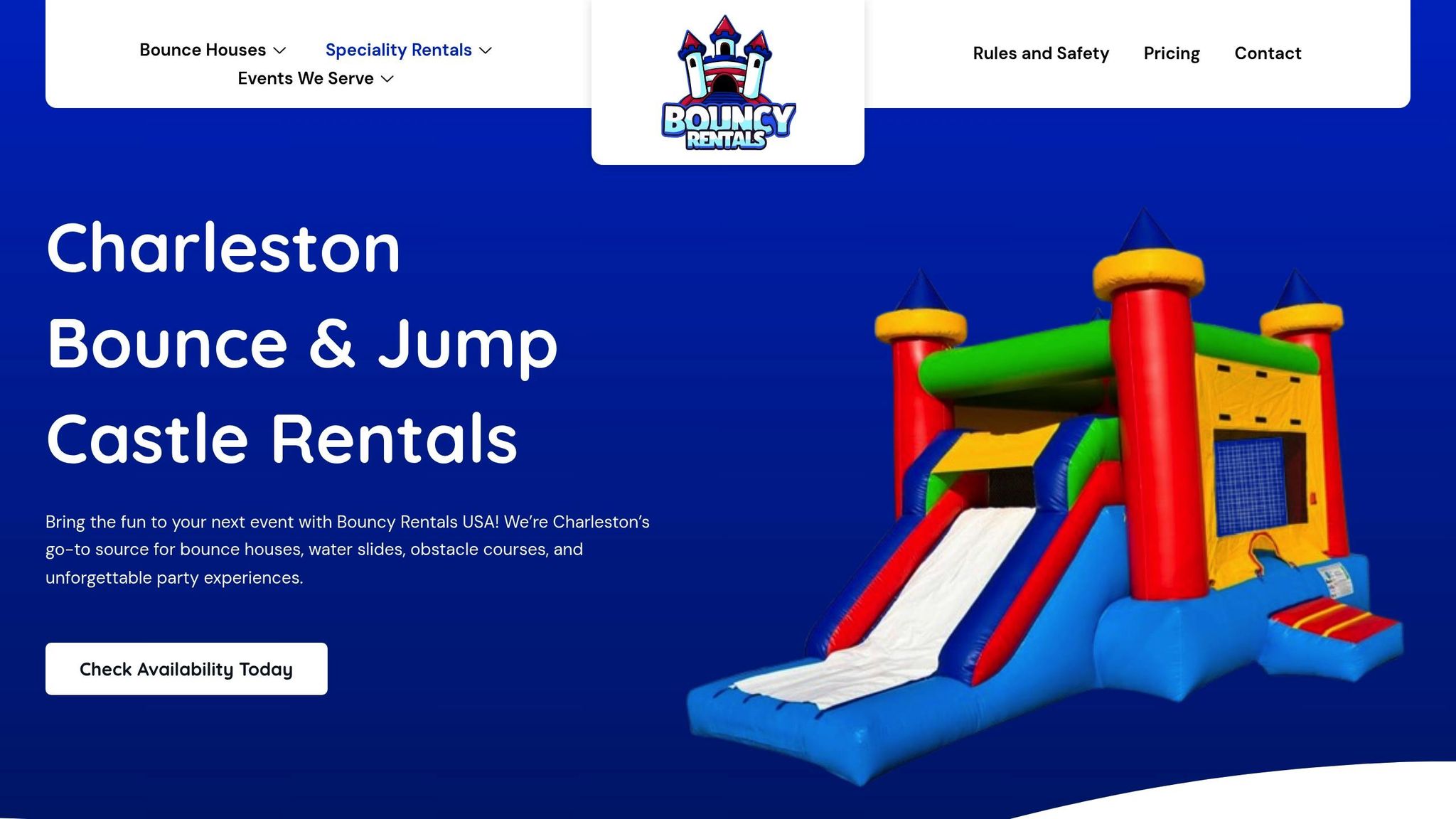
At Bouncy Rentals USA, safety isn’t just a priority – it’s the heart of everything we do. From meticulous record-keeping to rigorous safety measures, our practices go beyond the basics to ensure every customer can trust us with their events. These steps underscore our dedication to providing a secure and worry-free experience.
Regular Inspections and Maintenance
Before any inflatable leaves our facility, it goes through a thorough pre-rental inspection. Whether it’s a bounce house, water slide, or obstacle course, each piece is carefully checked for safety and functionality. After every event, we conduct another inspection to identify any potential issues. All findings, along with cleaning and repair details, are meticulously logged, allowing us to address concerns quickly. This attention to detail minimizes risks and ensures every event runs smoothly.
Comprehensive Staff Training and Certification
Our team undergoes extensive safety training that covers everything from setup and supervision to emergency procedures and equipment checks. Every staff member completes certification programs recognized by leading industry and insurance organizations. By adhering to standards from groups like the Safe Inflatable Operators Training Organization (SIOTO) and committing to ongoing education, our team stays prepared for any situation. This dedication not only ensures compliance with regulations but also builds trust with our customers.
Delivering Peace of Mind to Customers
We don’t just deliver inflatables – we deliver confidence. Customers receive clear safety documentation, including setup checklists, supervision guidelines, and safety rules tailored to their rental. During delivery, our trained staff provides an in-person briefing, answers questions, and ensures everyone feels prepared. With annual inspections by certified professionals, compliance with ASTM F2374 standards, and up-to-date insurance and permits, we leave no room for doubt. This unwavering commitment to safety has earned us glowing customer feedback, repeat bookings, and a reputation for reliability.
Conclusion: Safety Records Are Required for Inflatable Rentals
Safety documentation isn’t just a formality – it’s the backbone of a responsible inflatable rental business. Thorough safety records help prevent accidents, ensure compliance with the law, and build the trust that keeps customers returning. With the U.S. Consumer Product Safety Commission reporting over 18,800 inflatable-related injuries treated in emergency rooms annually, there’s no room for shortcuts when it comes to safety.
The statistics are striking: 70% of these injuries stem from preventable issues such as improper setup, insufficient supervision, or equipment failures. These risks can be significantly reduced when companies maintain detailed safety records and adhere to strict safety protocols. It’s not just about checking boxes – it’s about creating a safety net for everyone involved.
From a business standpoint, maintaining accurate safety records protects against legal liabilities and insurance disputes while ensuring compliance with state and local regulations. Without proper documentation, businesses risk denied permits, rejected insurance claims, and costly lawsuits, all of which can cripple operations.
Customer expectations have shifted. Families now actively look for rental companies that prioritize safety and transparency. They know that a company’s dedication to safety reflects its professionalism and reliability. This means that maintaining comprehensive safety records isn’t just about meeting legal requirements – it’s a way to stand out in a competitive market.
When selecting an inflatable rental provider, always ask for current inspection certificates, proof of insurance, and evidence of staff training. Opt for a company that prioritizes safety with clear and up-to-date documentation. The success of your event – and the safety of your guests – hinges on partnering with a provider that takes these responsibilities seriously.
As the inflatable rental industry moves toward stricter safety standards and mandatory certifications, companies that embrace these practices will lead the way. Those that fail to adapt will struggle to keep up. For families planning their next event, the message is clear: safety records aren’t optional – they’re essential. In an industry where trust and compliance are everything, rigorous safety documentation is the key to success.
FAQs
What safety records are needed for inflatable rental businesses to meet legal and insurance requirements?
Inflatable rental businesses are expected to keep comprehensive safety records to meet legal and insurance requirements. These records typically include inspection logs, maintenance reports, and documentation of regular cleaning and sanitization processes. It’s also a good idea to keep track of employee training, covering topics like proper setup, operation, and safety procedures.
On top of that, it’s crucial to have insurance details easily accessible, along with any necessary permits or certifications for operating inflatables at specific venues. Keeping these records not only helps reduce the risk of accidents but also reassures customers that safety is a top priority, creating a more enjoyable and worry-free experience for everyone involved.
Why is it important for inflatable rental companies to highlight their safety standards?
Safety is always a major concern when it comes to inflatable rentals, and being upfront about your safety practices goes a long way in earning customers’ trust. Make sure to emphasize key precautions such as rigorous sanitization protocols, comprehensive insurance coverage, and on-time delivery handled by skilled professionals. These steps show that you’re serious about protecting both your customers and their guests.
By focusing on safety and being transparent about your processes, you show your dedication to avoiding accidents, staying compliant with rules, and creating a stress-free experience for every event.
Why is it important for inflatable rental businesses to maintain proper safety records?
Maintaining accurate safety records is a cornerstone of running a responsible inflatable rental business. These records play a key role in ensuring customer safety by documenting regular equipment inspections, maintenance, and compliance with established safety standards. Beyond accident prevention, they also show a commitment to safety that helps build trust and confidence among customers.
On the flip side, neglecting proper safety documentation can have serious repercussions. Businesses risk legal liabilities, hefty fines for non-compliance, and potential harm to their reputation. At Bouncy Rentals USA, we prioritize safety above all else. Our equipment is fully insured, meticulously inspected, and maintained according to strict safety protocols – so you can enjoy your event with complete peace of mind.